

Understanding the Purpose of a State Wide Area Network
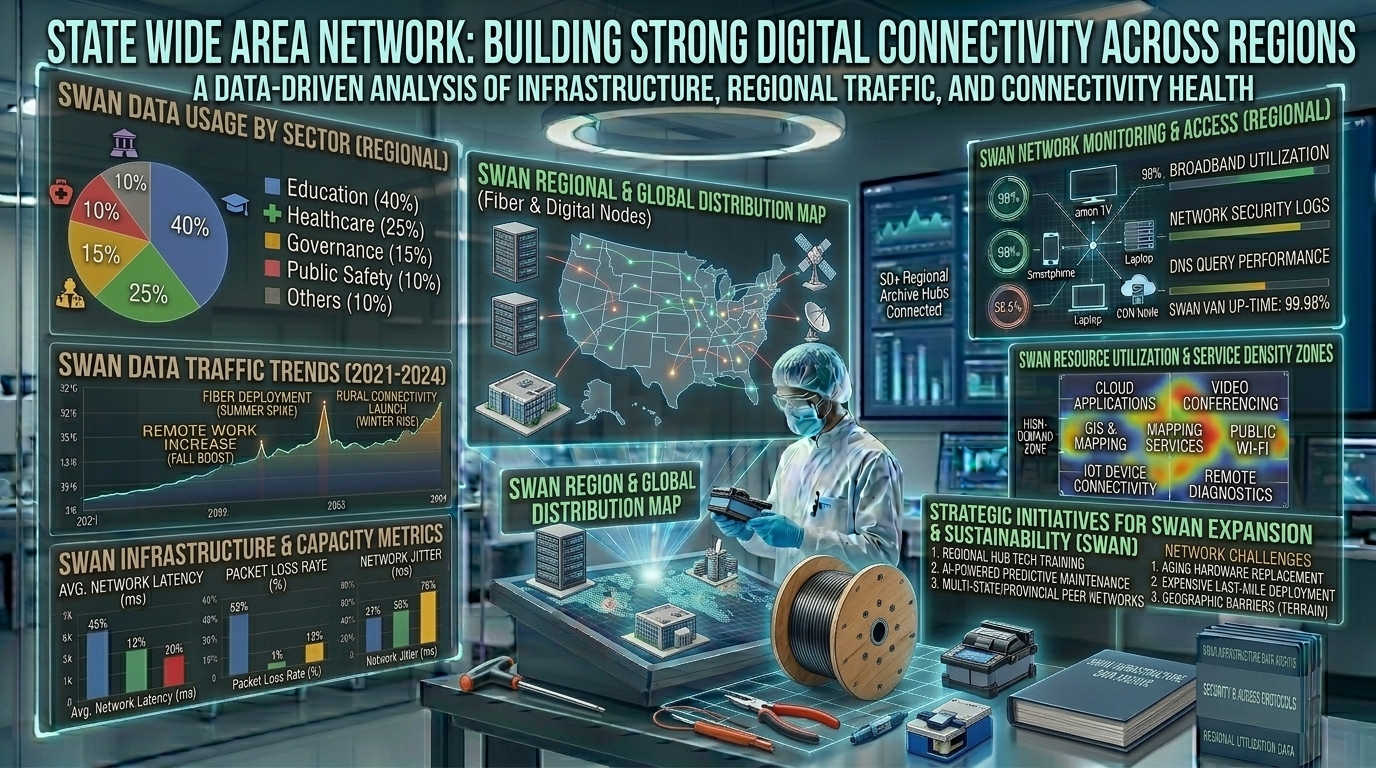
The primary purpose of a state wide area network is to establish reliable communication and data sharing between organizations located across different cities and administrative regions. These networks create centralized digital infrastructure that supports secure access to information, online services, and communication tools for government agencies and institutions. A state wide area network often connects schools, hospitals, law enforcement departments, and public administration offices through integrated systems designed for efficiency and scalability. Reliable digital connectivity improves coordination between departments while reducing communication delays and operational challenges. As governments continue modernizing public services, strong networking infrastructure becomes increasingly important for supporting digital transformation and maintaining effective communication across large geographic areas.
The Role of Technology in Regional Connectivity
Technology serves as the foundation of every successful state wide area network because advanced communication systems enable secure and efficient information exchange across multiple locations. Fiber optic cables, wireless communication systems, cloud computing, and network management tools all contribute to building modern digital infrastructure. These technologies help organizations maintain stable connectivity while supporting growing demands for data storage, online communication, and digital service delivery. A state wide area network also allows real-time collaboration between departments and institutions operating in different regions. Continuous technological development improves network speed, reliability, and security standards over time. As digital communication becomes more essential globally, advanced networking technology remains central to regional administrative and economic development strategies.
Benefits for Government and Public Services
Governments benefit significantly from implementing a state wide area network because centralized communication systems improve efficiency, transparency, and public service delivery. Administrative departments can share information quickly, coordinate operations more effectively, and reduce delays caused by outdated communication methods. Digital connectivity also supports online government services that allow citizens to access documents, applications, and information remotely. Healthcare institutions connected through state networks can improve patient data management and communication between medical facilities. Educational organizations also benefit through enhanced digital learning platforms and resource sharing. By strengthening communication infrastructure, governments can improve operational performance while supporting more accessible and efficient public services for citizens living across diverse regional communities.
Security and Data Protection Challenges
Security remains one of the most important considerations when developing and maintaining a state wide area network because large communication systems handle sensitive information daily. Government records, healthcare data, educational information, and administrative communications all require strong protection against cyber threats and unauthorized access. Network security measures often include encryption systems, firewalls, access controls, and continuous monitoring technologies designed to detect potential risks. Cybersecurity professionals play essential roles in maintaining network stability and protecting digital infrastructure from evolving threats. As cybercrime and data breaches continue increasing globally, organizations must prioritize secure communication systems and regular security updates. Strong cybersecurity strategies are therefore critical for protecting public trust and ensuring reliable digital operations.
Educational Institutions and Digital Learning
Educational institutions rely heavily on state wide area network systems to support modern teaching methods, online learning platforms, and digital communication between schools and universities. Reliable internet connectivity allows educators to access educational resources, conduct virtual classrooms, and share academic information efficiently across different regions. Students also benefit from improved access to digital learning materials and collaborative online environments that support educational development. Educational networking infrastructure helps reduce geographic barriers while improving opportunities for remote learning and academic cooperation. As education increasingly depends on technology, strong digital infrastructure becomes essential for maintaining equal access to quality educational resources. Networking systems continue shaping the future of learning in modern educational environments worldwide.
Healthcare Communication and Network Integration
Healthcare organizations depend on state wide area network infrastructure to improve communication, patient care coordination, and medical information management across hospitals and clinics. Digital connectivity allows healthcare providers to access patient records quickly, communicate with specialists remotely, and improve emergency response coordination. Telemedicine services also rely on strong networking systems to deliver healthcare consultations and support patients in remote locations. Efficient healthcare communication can significantly improve treatment quality and operational efficiency within medical institutions. As healthcare technology continues advancing, integrated networking infrastructure becomes increasingly important for supporting modern medical services and patient-centered care systems. Reliable digital communication therefore remains essential for strengthening healthcare accessibility and coordination across regional communities.
Economic Development Through Digital Infrastructure
A strong state wide area network contributes significantly to economic development by supporting communication, business operations, and technological innovation across different industries. Reliable digital infrastructure attracts investment, improves business efficiency, and encourages the growth of technology-based services within regional economies. Government agencies, educational institutions, healthcare systems, and private businesses all depend on secure and fast communication networks to operate effectively in competitive environments. Digital connectivity also supports remote work opportunities, online commerce, and entrepreneurial activities that strengthen economic productivity. As economies become increasingly dependent on technology, modern networking infrastructure remains a key factor influencing long-term development, competitiveness, and innovation within regional and national economic systems worldwide.
Future Innovations in Networking Systems
The future of state wide area network technology will likely include faster communication systems, stronger cybersecurity measures, and increased integration with cloud-based digital services. Emerging technologies such as artificial intelligence, advanced data analytics, and smart infrastructure management tools are expected to improve network performance and operational efficiency significantly. Future networking systems may also support more advanced public services, including intelligent transportation systems, digital healthcare platforms, and automated administrative processes. Growing demand for remote communication and real-time data access continues driving innovation within networking industries. As technology evolves rapidly, organizations must adapt infrastructure strategies to meet changing communication needs while maintaining secure, scalable, and efficient digital environments for public and professional use.
The Importance of Reliable Communication Infrastructure
Reliable communication infrastructure forms the backbone of modern society because digital systems now influence nearly every aspect of public administration, education, healthcare, and economic activity. A state wide area network helps organizations maintain stable communication while supporting efficient information sharing and operational coordination across large regions. Without dependable networking infrastructure, institutions may face delays, security risks, and reduced service quality that affect both organizations and citizens. Strong communication systems also improve disaster response, emergency coordination, and public access to important digital services. As societies continue embracing digital transformation, investment in reliable networking infrastructure will remain essential for supporting technological growth, administrative efficiency, and long-term social development worldwide.
Conclusion
A state wide area network represents a vital part of modern digital infrastructure that supports communication, public services, education, healthcare, and economic development across large geographic regions. Through advanced technology, secure communication systems, and integrated digital services, these networks improve operational efficiency and strengthen connectivity between institutions and communities. As digital transformation continues influencing governments and organizations globally, reliable networking infrastructure becomes increasingly important for maintaining effective communication and secure information management. Future advancements in networking technology will further enhance connectivity, security, and service delivery across multiple industries. The continued development of state wide area network systems will remain essential for building stronger, smarter, and more connected societies in the modern digital era.