

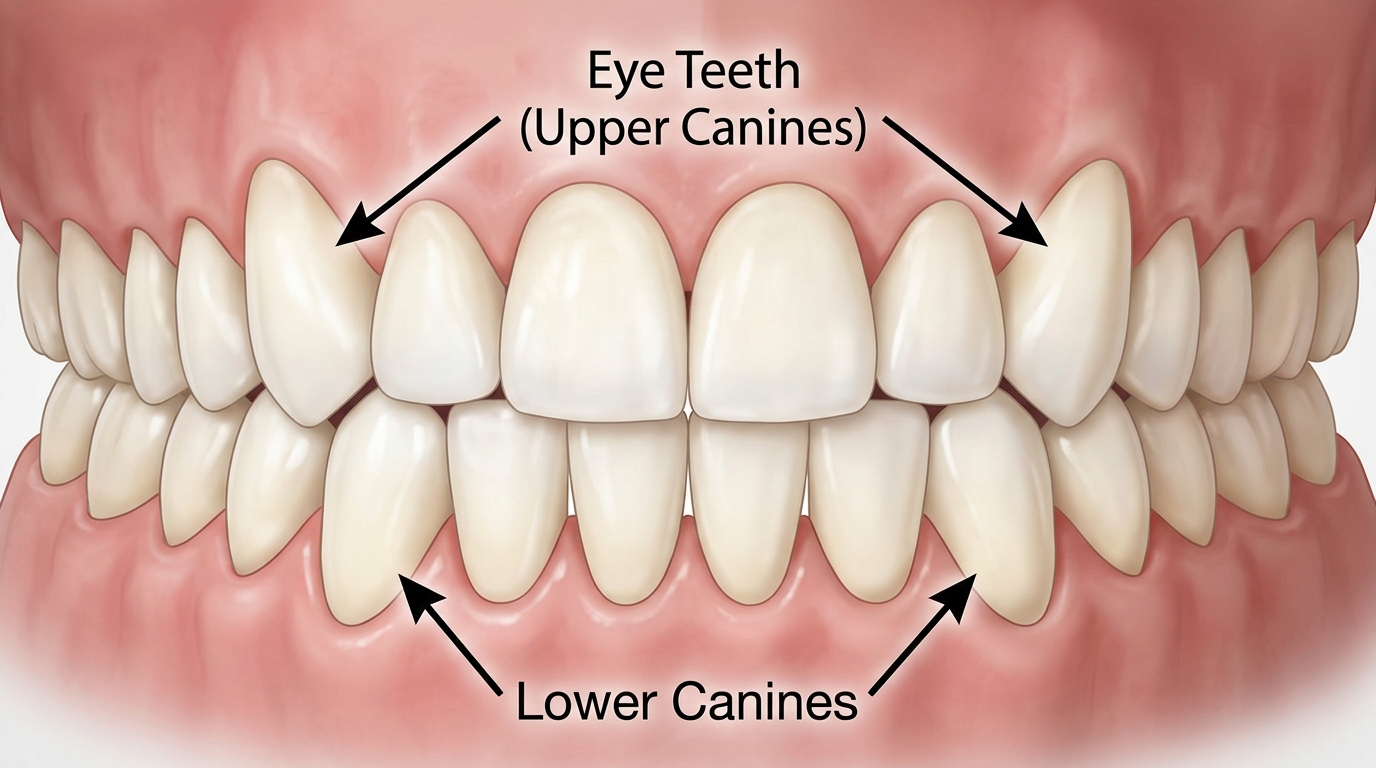
Eye are among the most recognizable and important teeth in the human mouth. Although many people use the term casually, it actually refers to the canine teeth located between the incisors and premolars. These pointed teeth play a vital role in biting, tearing food, maintaining facial structure, and supporting a healthy bite. Their unique position and shape make them essential for both oral function and appearance. Learning more about eye helps individuals understand why proper dental care is necessary to preserve their strength, alignment, and overall health throughout every stage of life.
What Are Eye Teeth?
Eye teeth are the common name for the canine teeth found in both the upper and lower jaws. The upper canines are often called eye because they sit directly beneath the eyes, creating the popular nickname. Each person normally has four canine teeth, two on the top and two on the bottom. These teeth have long roots and pointed tips that make them stronger than many other teeth in the mouth. Their sturdy design allows them to handle greater biting pressure while also helping guide the movement of the jaw during chewing and speaking.
The Main Functions of Eye Teeth
Eye teeth perform several important functions that contribute to everyday oral health. Their pointed shape makes them ideal for gripping and tearing food before it reaches the back teeth for grinding. They also help maintain the alignment of surrounding teeth by supporting the natural shape of the dental arch. During chewing, the canine teeth guide the jaw into proper position, reducing unnecessary stress on other teeth. In addition, eye support facial muscles and lips, helping maintain balanced facial features while contributing to clear speech and efficient eating throughout daily activities.
When Eye Teeth Develop
The development of eye begins early in childhood and continues through the teenage years. Primary canine teeth usually appear between sixteen and twenty-three months of age, helping young children bite and chew solid foods. As children grow, these baby teeth eventually fall out to make room for permanent canines, which generally erupt between the ages of nine and twelve. Because permanent eye have some of the longest roots in the mouth, they require sufficient space to emerge properly. Regular dental examinations help monitor their development and identify potential alignment concerns early.
Common Problems Affecting Eye Teeth
Although eye are naturally strong, they can still experience several dental problems if not properly cared for. One common issue is impaction, where a permanent canine fails to erupt because insufficient space exists within the dental arch. Crowding may also force these teeth into incorrect positions, affecting both appearance and bite function. Like all teeth, eye are susceptible to cavities, gum disease, fractures, and enamel wear caused by poor oral hygiene or teeth grinding. Early diagnosis and professional treatment help prevent complications while preserving long-term oral health and function.
Why Proper Alignment Is Important
Correctly aligned eye contribute significantly to a healthy bite and an attractive smile. Because these teeth help guide jaw movement, misalignment may increase pressure on neighboring teeth and jaw joints during chewing. Poor positioning can also make cleaning more difficult, increasing the risk of plaque buildup, tooth decay, and gum disease. In some cases, orthodontic treatment may be recommended to guide impacted or crowded canines into their proper location. Maintaining correct alignment supports comfortable chewing, balanced facial appearance, and improved long-term dental stability for patients of all ages.
Daily Care for Healthy Eye Teeth
Keeping eye teeth healthy requires the same consistent oral hygiene practices recommended for every other tooth. Brushing twice daily with fluoride toothpaste helps remove plaque and protect enamel from decay. Daily flossing cleans between teeth where toothbrush bristles cannot easily reach, reducing the risk of gum disease around the canines. Limiting sugary foods and acidic beverages further protects tooth surfaces from damage. Regular dental checkups and professional cleanings allow dentists to detect early signs of problems before they become more serious, helping preserve strong and healthy eye teeth for life.
Cosmetic Importance of Eye Teeth
Beyond their functional role, eye contribute significantly to the overall appearance of a person’s smile. Their shape creates a natural transition between the front incisors and the back teeth, giving the smile proper balance and symmetry. Well-positioned canines also support the lips and cheeks, enhancing facial contours. If eye become discolored, chipped, or misaligned, cosmetic dental treatments may improve both appearance and confidence. Maintaining healthy eye helps preserve a bright, attractive smile while supporting facial harmony and overall dental aesthetics throughout adulthood.
Professional Treatments for Eye Teeth
Dentists offer several treatment options when eye develop structural or alignment problems. Orthodontic treatment can gradually reposition impacted or crowded canines into their ideal location using carefully controlled forces. Restorative procedures such as dental bonding or crowns repair chipped or damaged canine teeth while preserving their strength and appearance. If gum disease affects the supporting tissues, professional periodontal treatment may be necessary to restore oral health. Modern dental techniques allow many eye to be successfully treated, preserving their important function and reducing the need for extraction whenever possible.
Maintaining Strong Eye Teeth for Life
Long-term care is essential for protecting the strength and function of eye throughout adulthood. Maintaining excellent oral hygiene, attending routine dental appointments, and addressing problems promptly help reduce the risk of serious complications. Wearing a mouthguard during contact sports protects these valuable teeth from injury, while managing teeth grinding can prevent excessive wear. Healthy lifestyle habits, including a balanced diet rich in essential nutrients, also support strong teeth and gums. Consistent preventive care allows eye teeth to continue performing their important role while contributing to lifelong oral health and confident smiles
Conclusion
Eye teeth are far more important than their distinctive appearance suggests. They support effective chewing, guide proper jaw movement, maintain facial balance, and contribute to an attractive smile. Because these canine teeth play such a vital role in oral function, they deserve consistent care through daily hygiene, regular dental visits, and prompt treatment of any developing issues. Understanding the purpose and importance of eye teeth encourages better dental habits and helps protect them for years to come. Healthy eye are an essential part of maintaining overall oral health, comfort, and lasting confidence.