

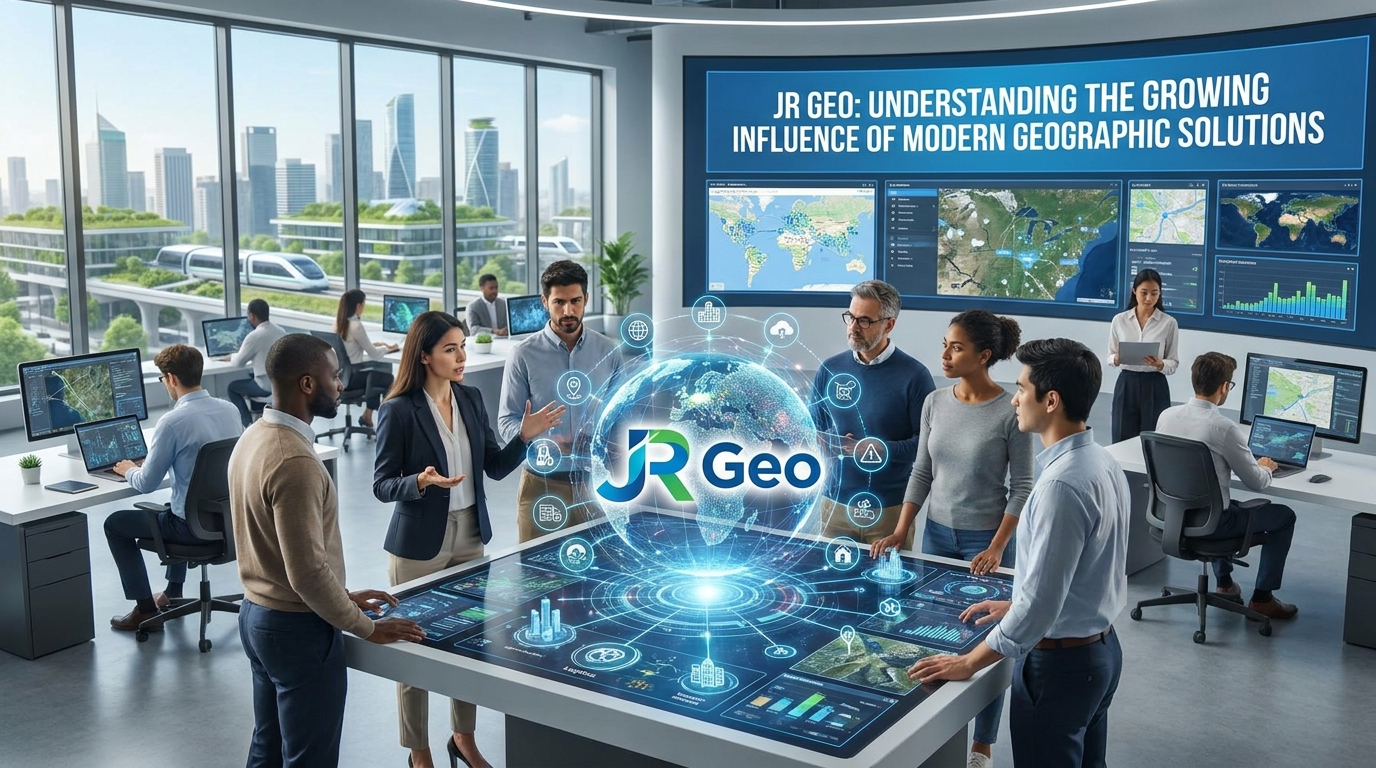
The modern world depends heavily on geographic technology to improve communication, planning, transportation, and digital connectivity. Among the emerging names gaining attention in this field is jr geo, a term increasingly associated with innovation, mapping solutions, and location-based technologies. As industries rely more on accurate geographic data, platforms and concepts connected to jr geo continue attracting interest from businesses, researchers, and digital professionals. Geographic systems now influence nearly every sector, including urban development, logistics, environmental studies, and online navigation. Understanding how jr geo fits into this evolving landscape provides valuable insight into the future of smart technology, data management, and the growing importance of location intelligence worldwide.
The Meaning and Purpose Behind JR Geo
JR geo represents a modern approach to geographic understanding and digital mapping solutions. The term reflects the growing need for accurate spatial information that supports decision-making across industries and organizations. Geographic technologies help individuals and businesses analyze locations, understand movement patterns, and improve operational efficiency. JR geo symbolizes this advancement by connecting technology with practical geographic applications. As digital transformation continues worldwide, systems focused on geographic intelligence become increasingly valuable for businesses seeking accuracy and efficiency. The flexibility of jr geo allows it to fit multiple sectors, making it relevant for technology development, infrastructure planning, research projects, and digital mapping innovations that support smarter global communication and organization.
The Role of JR Geo in Digital Mapping
Digital mapping has transformed the way people interact with the world, and jr geo contributes to this technological evolution by emphasizing accuracy and accessibility. Modern mapping systems now provide real-time navigation, environmental analysis, and location tracking that improve everyday life and business operations. JR geo reflects the increasing demand for advanced geographic tools capable of delivering reliable data quickly and efficiently. Companies use digital maps for transportation planning, delivery systems, and customer engagement strategies. Governments also rely on geographic information to improve urban management and public services. The growing relevance of jr geo highlights how mapping technologies continue becoming essential components of modern digital infrastructure and smart communication systems worldwide.
How JR Geo Supports Business Growth
Businesses increasingly depend on geographic data to make strategic decisions and improve customer experiences. JR geo supports this process by representing modern geographic solutions that enhance operational planning and market analysis. Companies use geographic tools to identify customer locations, optimize supply chains, and improve service delivery. Accurate location data allows businesses to reduce costs while increasing efficiency and customer satisfaction. JR geo also reflects the growing integration of digital mapping into marketing strategies and business intelligence systems. As competition increases across industries, organizations that effectively use geographic technologies gain stronger advantages. This growing reliance on location-based insights demonstrates why concepts connected to jr geo continue attracting attention in professional and commercial environments.
The Importance of Geographic Data in Modern Society
Geographic data has become one of the most valuable resources in today’s technology-driven environment. JR geo highlights the importance of collecting, analyzing, and applying location-based information for practical solutions and long-term planning. Governments, businesses, and educational institutions all depend on geographic systems to support infrastructure development, environmental management, and transportation improvements. Accurate geographic information helps organizations make informed decisions that benefit communities and economies. JR geo also reflects the growing public interest in understanding how geographic technologies influence everyday activities, from navigation applications to disaster response systems. As society becomes more digitally connected, the importance of reliable geographic data will continue expanding across industries and public services worldwide.
JR Geo and the Future of Smart Cities
Smart cities rely heavily on geographic technology to improve urban living, transportation systems, and resource management. JR geo connects naturally with these developments because location intelligence forms the foundation of many smart city solutions. Modern urban environments use geographic data to monitor traffic flow, optimize public transportation, and improve energy efficiency. City planners also depend on mapping systems to support sustainable growth and emergency response strategies. JR geo reflects the increasing demand for integrated technologies that help cities become safer, more efficient, and environmentally responsible. As urban populations continue growing globally, geographic systems associated with jr geo may play a critical role in shaping the future of connected and intelligent communities.
The Connection Between JR Geo and Environmental Research
Environmental research increasingly depends on geographic technologies to analyze climate patterns, land use, and natural resource management. JR geo represents the growing role of geographic information systems in supporting scientific research and environmental monitoring projects. Researchers use mapping technologies to track environmental changes, study ecosystems, and predict natural disasters more accurately. Geographic data also supports conservation efforts by identifying areas that require protection or restoration. JR geo demonstrates how technology can improve environmental awareness and encourage sustainable development practices. As climate challenges continue affecting communities worldwide, the demand for accurate geographic analysis will likely increase, making concepts connected to jr geo even more important for future environmental planning and research initiatives.
Why JR Geo Matters in Education and Learning
Educational institutions increasingly use geographic technologies to improve learning experiences and research opportunities. JR geo reflects the importance of teaching students how to interpret spatial data and understand geographic systems in modern society. Geography education now extends beyond traditional maps because digital tools allow students to explore real-time information and interactive environments. Universities and schools use geographic software to support studies in environmental science, urban planning, engineering, and business management. JR geo highlights how technology-driven learning prepares students for careers that rely on data analysis and digital communication. As educational systems continue evolving, geographic literacy will remain an essential skill for future generations entering competitive global industries.
The Growing Influence of JR Geo in Technology
Technology companies increasingly recognize the value of geographic intelligence for developing innovative digital services and applications. JR geo reflects this growing relationship between location data and modern technology platforms. Smartphones, navigation systems, ride-sharing applications, and delivery services all rely on geographic information to operate effectively. Artificial intelligence and data analytics also benefit from accurate mapping technologies that improve predictions and automation. JR geo symbolizes the integration of geography with advanced digital systems designed to create more personalized and efficient user experiences. As technology continues evolving rapidly, geographic solutions connected to jr geo may become even more influential in shaping communication, transportation, commerce, and everyday digital interactions across global markets.
The Future Potential of JR Geo
The future of jr geo appears promising because geographic technology continues expanding into nearly every area of modern life. Businesses, governments, researchers, and consumers increasingly rely on accurate location-based systems to improve efficiency and decision-making. JR geo represents a broader movement toward smarter digital infrastructure supported by reliable geographic intelligence. Emerging technologies such as artificial intelligence, autonomous transportation, and advanced environmental monitoring will likely depend heavily on geographic data systems. This growing dependence creates strong opportunities for concepts and platforms connected to jr geo. As digital transformation continues accelerating worldwide, geographic solutions will remain essential for innovation, sustainability, and global connectivity in both professional and everyday environments.
Conclusion
JR geo reflects the growing importance of geographic technology in shaping modern communication, business operations, education, and urban development. Its connection to digital mapping, environmental research, and smart infrastructure demonstrates how location-based intelligence continues influencing industries worldwide. As technology advances and societies become increasingly data-driven, geographic systems will remain critical for improving efficiency, sustainability, and decision-making. JR geo symbolizes this evolution by representing innovation, accuracy, and adaptability within the expanding world of geographic solutions. The continued growth of location intelligence ensures that concepts associated with jr geo will likely remain valuable for businesses, researchers, governments, and communities seeking smarter and more connected solutions for the future.