

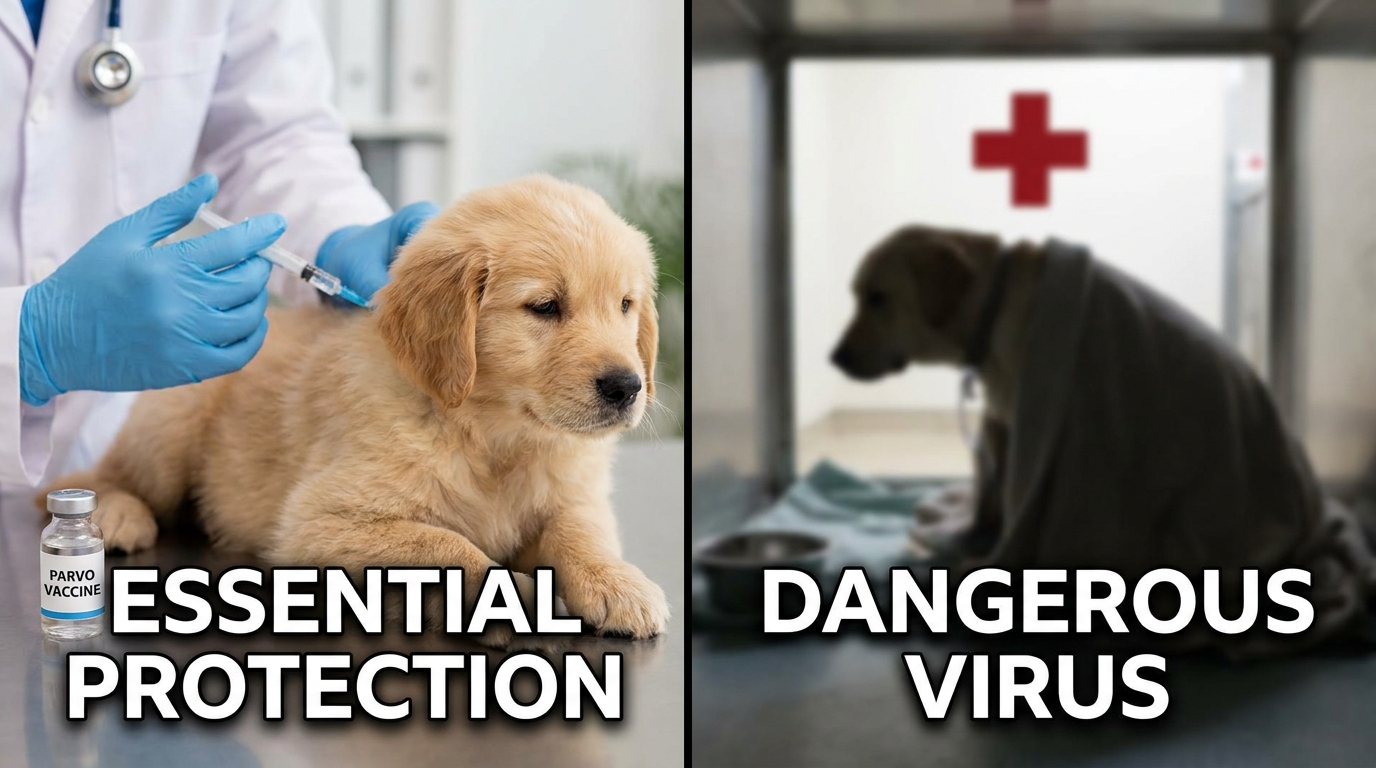
The parvo vaccine is one of the most important preventive measures available for protecting dogs against canine parvovirus, a highly contagious disease that can cause severe illness and even death, particularly in puppies. The virus attacks the digestive system and immune cells, leading to dehydration, vomiting, and diarrhea that require immediate veterinary care. Vaccination has significantly reduced the number of serious infections in many regions by helping dogs build immunity before exposure. Understanding how the parvo vaccine works, when it should be given, and why it matters allows pet owners to make informed decisions that support the long-term health and well-being of their dogs.
Understanding Canine Parvovirus
Canine parvovirus is a dangerous viral infection that spreads rapidly among dogs through contaminated feces, surfaces, and environments. The virus is extremely resilient and can survive for extended periods outside the body, making it difficult to eliminate completely. Puppies and unvaccinated dogs are particularly vulnerable because their immune systems may not provide sufficient protection. Once infected, the virus attacks rapidly dividing cells, especially in the intestines, causing severe gastrointestinal problems and weakening the body’s defenses. Learning about this disease highlights the importance of prevention through responsible vaccination and proper hygiene practices.
How the Parvo Vaccine Works
The parvo vaccine helps prepare a dog’s immune system to recognize and defend against canine parvovirus before natural exposure occurs. It contains components that stimulate the immune response without causing the disease itself. After vaccination, the body produces protective antibodies and immune memory that can respond quickly if the virus is encountered in the future. This defense greatly reduces the risk of severe illness and improves the chances of avoiding infection altogether. The parvo vaccine serves as a proactive strategy that strengthens the body’s natural ability to fight one of the most serious viral threats affecting dogs.
Why Puppies Need Early Vaccination
Puppies require special attention because they are among the highest-risk groups for canine parvovirus infection. During their first weeks of life, they receive temporary protection from their mother’s antibodies, but this immunity gradually declines. As maternal antibodies decrease, puppies become more vulnerable to infection while their own immune systems continue developing. The parvo vaccine is administered according to veterinary recommendations during this critical period to build lasting protection. Timely vaccination creates a safer transition from maternal immunity to independent immune defense, reducing the likelihood of severe disease during early stages of growth.
Vaccination Schedules and Booster Doses
A complete vaccination schedule is essential for achieving reliable protection against canine parvovirus. Puppies typically receive multiple doses because a single injection may not provide sufficient immunity while maternal antibodies are still present. Booster vaccinations strengthen the immune response and help maintain protection over time. Adult dogs may also require periodic boosters depending on veterinary guidance, health status, and local disease risk. Following the recommended schedule ensures that immunity remains effective throughout different life stages. Consistency in vaccination supports individual health while also contributing to broader disease prevention within the canine population.
Benefits of the Parvo Vaccine
The parvo vaccine provides significant benefits for both individual dogs and the wider community. Vaccinated dogs are far less likely to develop severe illness if exposed to the virus, reducing the need for intensive medical treatment and hospitalization. Prevention also helps owners avoid emotional stress and substantial veterinary expenses associated with managing serious infections. In communities with high vaccination rates, disease transmission becomes less common, offering indirect protection to vulnerable animals. The vaccine therefore represents an investment in long-term health, responsible pet ownership, and improved overall welfare for dogs of different breeds and ages.
Safety and Possible Side Effects
The parvo vaccine has been widely used and is generally considered safe for healthy dogs when administered by qualified veterinary professionals. Most animals experience no significant problems, while some may develop mild and temporary reactions such as slight soreness at the injection site, tiredness, or reduced appetite. These effects typically resolve within a short period without special treatment. Serious adverse reactions are uncommon but should receive immediate veterinary attention if they occur. Discussing any previous health conditions or vaccine reactions with a veterinarian helps ensure the safest and most appropriate vaccination plan.
Additional Ways to Prevent Parvovirus
Although the parvo vaccine provides strong protection, good hygiene and responsible management further reduce the risk of infection. Young puppies should avoid environments where vaccination status of other dogs is unknown until they complete their recommended vaccine series. Cleaning contaminated areas with appropriate disinfectants helps decrease viral persistence, while proper disposal of waste limits environmental spread. Owners should also monitor their pets for signs of illness and seek veterinary care promptly if symptoms develop. Combining vaccination with preventive practices creates a comprehensive strategy that supports healthy dogs and safer communities.
The Importance of Regular Veterinary Care
Regular veterinary visits play an essential role in ensuring that the parvo vaccine remains part of a complete preventive healthcare plan. Veterinarians evaluate a dog’s age, lifestyle, medical history, and local disease risks before recommending appropriate vaccination schedules. Routine examinations also allow early detection of health issues that could affect immune function or overall well-being. Professional guidance helps owners understand nutrition, parasite control, dental care, and other factors contributing to lifelong health. Preventive medicine, including timely vaccination, provides the strongest foundation for helping dogs enjoy active, healthy, and comfortable lives with their families.
Conclusion
The parvo vaccine is a vital tool in protecting dogs from one of the most dangerous and contagious viral diseases affecting the canine population. By stimulating the immune system before exposure, it greatly reduces the risk of severe illness and supports healthier lives for puppies and adult dogs alike. Following recommended vaccination schedules, maintaining regular veterinary care, and practicing good hygiene together create a strong defense against infection. Responsible prevention not only benefits individual pets but also contributes to healthier communities by limiting the spread of disease, making vaccination an essential part of modern canine healthcare.