

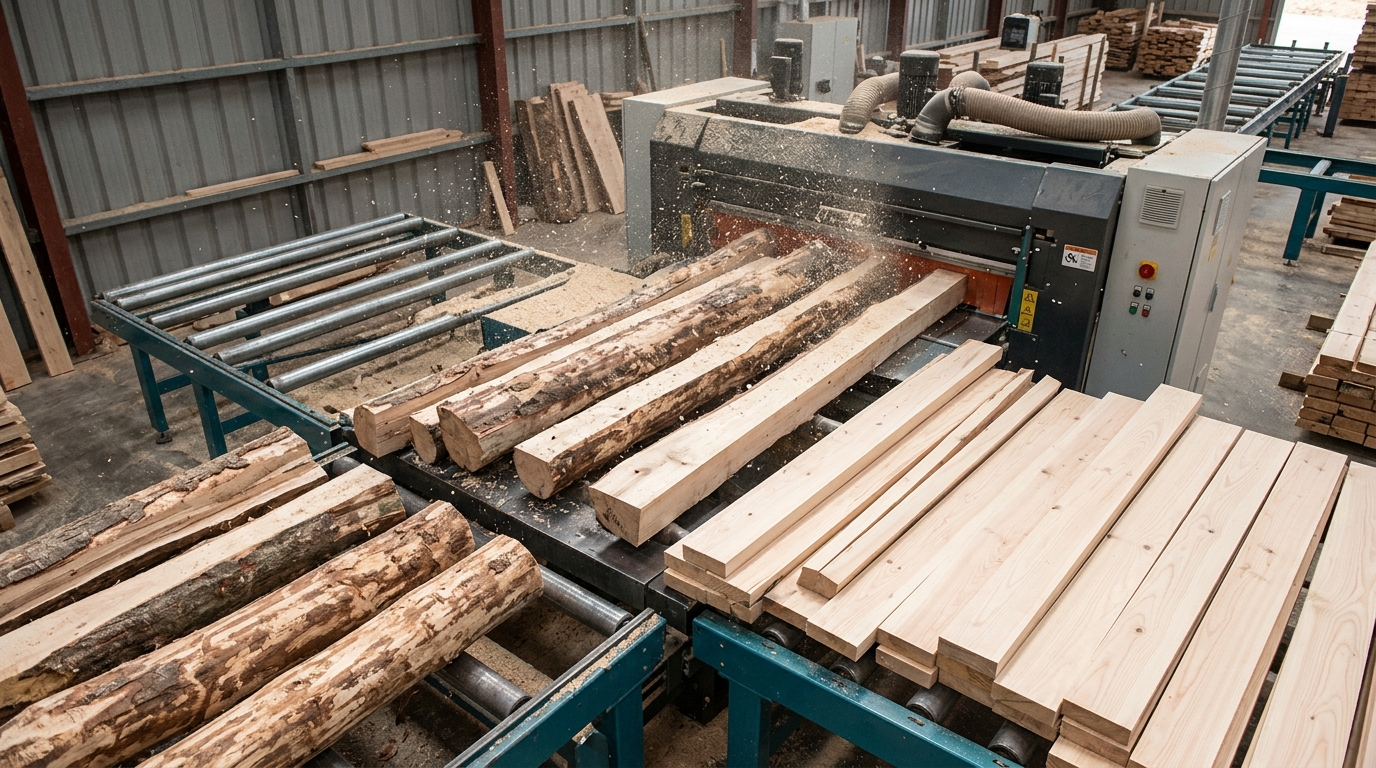
Understanding What Planed All Round Means
The term planed all round refers to timber that has been machined on all four sides to create a smooth, even surface. This process removes rough edges, splinters, and surface imperfections commonly found in untreated wood. As a result, the timber becomes easier to handle and more suitable for visible applications where appearance matters. Planed all round timber is available in various sizes and wood species, making it adaptable to different projects. The consistent dimensions also improve accuracy during construction and assembly. Understanding this manufacturing process helps buyers select timber products that align with both functional and aesthetic requirements.
The Manufacturing Process Behind Smooth Timber
Producing planed all round timber involves several stages designed to improve both appearance and usability. After the timber is cut and dried, it passes through specialized machinery that removes a thin layer from each side. This process creates smooth surfaces and ensures dimensional consistency throughout the length of the board. Manufacturers carefully monitor the planing process to maintain quality standards and minimize defects. The result is timber that is easier to work with and ready for finishing treatments such as staining, painting, or sealing. This efficient production method contributes significantly to the popularity of planed timber products.
Benefits of Using Planed All Round Timber
One of the primary advantages of planed all round timber is its convenience. Since the wood has already been smoothed and shaped, less preparation is required before installation or finishing. This saves both time and labor costs for professionals and hobbyists alike. The improved appearance also makes the timber suitable for decorative and visible applications. In addition, the uniform dimensions help ensure accurate measurements and stronger assembly. The smooth surface reduces the risk of splinters, making handling safer and more comfortable. These practical benefits have made planed all round timber a preferred material across many woodworking sectors.
Common Applications in Construction
Planed all round timber is widely used in construction projects due to its versatility and professional finish. Builders often select it for interior framing, decorative trim, shelving, and joinery work. Its consistent dimensions make installation easier, while the smooth surface contributes to a polished appearance. In residential construction, it is frequently used for exposed timber elements where visual quality is important. Commercial projects also benefit from its reliability and ease of handling. The adaptability of planed all round timber allows it to serve both structural and decorative purposes, making it a valuable material across a wide range of construction environments.
A Popular Choice for Furniture Making
Furniture makers often prefer planed all round timber because it provides an excellent foundation for high-quality craftsmanship. Smooth surfaces simplify cutting, joining, and finishing processes while helping create a refined final product. Tables, chairs, cabinets, and shelving units frequently incorporate this type of timber due to its attractive appearance and workability. The uniform dimensions allow for precise assembly, which is essential for maintaining structural integrity and visual balance. Because less surface preparation is required, craftsmen can focus more on design and detail. This combination of practicality and aesthetics makes planed all round timber highly valued within furniture manufacturing.
The Importance of Timber Quality
The quality of timber plays a major role in the performance and appearance of finished projects. High-quality planed all round timber is carefully selected to minimize defects such as knots, warping, and surface damage. Proper drying and processing help maintain stability and reduce the risk of future movement. Buyers often consider factors such as wood species, moisture content, and grading standards when choosing materials. Investing in quality timber can improve durability and contribute to a more professional result. Reliable timber products not only enhance project outcomes but also reduce maintenance and replacement costs over time.
Sustainability and Responsible Timber Use
Sustainability has become an increasingly important consideration within the woodworking and construction industries. Many suppliers of planed all round timber source wood from responsibly managed forests that prioritize environmental stewardship and long-term resource conservation. Sustainable forestry practices help maintain biodiversity, protect ecosystems, and ensure future timber availability. Choosing responsibly sourced timber supports environmentally conscious building methods without sacrificing quality or performance. Consumers and businesses alike are placing greater emphasis on sustainable materials, making responsible timber production a significant factor in modern construction and manufacturing. This trend continues to shape purchasing decisions across global markets.
Choosing the Right Timber for Your Project
Selecting the appropriate planed all round timber requires careful consideration of project goals and environmental conditions. Different wood species offer varying levels of strength, durability, and visual appeal. Softwoods are often chosen for general construction and interior applications, while hardwoods may be preferred for premium furniture and decorative work. Understanding load requirements, moisture exposure, and finishing preferences helps guide material selection. Consulting knowledgeable suppliers can also provide valuable insight into suitable options. Choosing the right timber from the beginning contributes to smoother project execution and helps ensure the final result meets both functional and aesthetic expectations.
Future Trends in Timber Construction
The future of timber construction continues to look promising as demand for sustainable and versatile building materials grows. Planed all round timber remains relevant because it combines efficiency, visual appeal, and adaptability. Advances in manufacturing technology are improving precision and reducing waste during production. Architects and designers increasingly incorporate timber into modern projects due to its natural appearance and environmental benefits. As construction practices evolve, demand for high-quality processed wood products is expected to increase. Planed all round timber is likely to remain a key component in residential, commercial, and creative applications where quality craftsmanship and sustainability are priorities.
Conclussion
Planed all round timber offers a practical and attractive solution for a wide variety of woodworking and construction projects. Its smooth finish, consistent dimensions, and ease of use make it a preferred choice for professionals and hobbyists alike. From furniture making to structural applications, this versatile material delivers both aesthetic and functional benefits. As sustainability becomes increasingly important, responsibly sourced timber products continue gaining value across industries. By understanding the qualities and advantages of planed all round timber, builders and craftsmen can make informed decisions that contribute to durable, efficient, and visually appealing results.