

If you have ever searched for the phrase is what, you are not alone. Many people come across the word in recipes, grocery stores, or cooking shows and wonder what it actually means. Courgette is a widely enjoyed vegetable known for its mild flavor, tender texture, and impressive nutritional value. It is easy to prepare and fits into countless recipes, making it a favorite in kitchens around the world. Understanding what a courgette is, how it is used, and why it is considered a healthy food can help you enjoy it with greater confidence and creativity.
What Exactly?
The question is what has a simple answer. Courgette is the British and many European name for the vegetable known as zucchini in the United States and several other countries. It belongs to the squash family and is harvested while still young and tender. Although commonly prepared as a vegetable, courgette is technically classified as a fruit because it develops from the flower of the plant. Its smooth skin, soft flesh, and mild taste make it suitable for a wide variety of savory and even sweet dishes enjoyed across different cuisines and cultures.
The Origin and History of Courgette
Understanding is what also involves exploring its history. Courgette traces its roots to the Americas, where different squash varieties were cultivated for thousands of years. Modern zucchini and courgette varieties were later developed in Italy, where selective cultivation created the familiar green vegetable found today. The Italian name eventually spread worldwide, while the French word courgette became popular in the United Kingdom and many other regions. Today, this vegetable is grown in numerous countries because it adapts well to different climates and produces abundant harvests during the growing season.
Nutritional Value of Courgette
When asking is what, many people also want to know whether it is healthy. Courgette is rich in vitamins, minerals, antioxidants, and dietary fiber while remaining naturally low in calories. It contains vitamin C, vitamin A, potassium, and several beneficial plant compounds that support overall wellness. Its high water content contributes to hydration and makes it a satisfying ingredient in balanced meals. Because it is low in carbohydrates compared to many starchy vegetables, courgette is frequently included in healthy eating plans designed to promote weight management and nutritional balance.
Popular Ways to Cook Courgette
One reason the question is what appears so often is because the vegetable is featured in many international recipes. Courgette can be grilled, roasted, steamed, baked, stir-fried, or eaten raw in fresh salads. Its mild flavor absorbs herbs, spices, and sauces very well, making it an adaptable ingredient for countless meals. Many people also use spiralized courgette as a lighter alternative to traditional pasta. It can even be added to soups, casseroles, and baked goods, where its moisture improves texture without creating an overpowering taste.
Health Benefits of Eating Courgette
Learning is what naturally leads to understanding its health benefits. The vegetable provides dietary fiber that supports healthy digestion and helps maintain regular bowel function. Antioxidants found in courgette may assist in protecting cells from oxidative stress, while potassium contributes to healthy muscle and nerve function. Its combination of low calories and high water content helps promote fullness, making it a valuable choice for people seeking nutritious meal options. Including courgette as part of a varied diet supports overall wellness while adding freshness and variety to everyday cooking.
How to Choose and Store Courgette
Selecting fresh produce is important once you understand is what. Choose courgettes that feel firm, appear glossy, and have smooth skin without soft spots or deep cuts. Smaller and medium-sized courgettes are often more tender and contain fewer large seeds than oversized ones. After purchase, store them in the refrigerator where they usually remain fresh for several days. Washing should be done just before use rather than before storage to help preserve quality. Proper storage keeps the vegetable crisp and flavorful until you are ready to prepare your meal.
Growing Courgette at Home
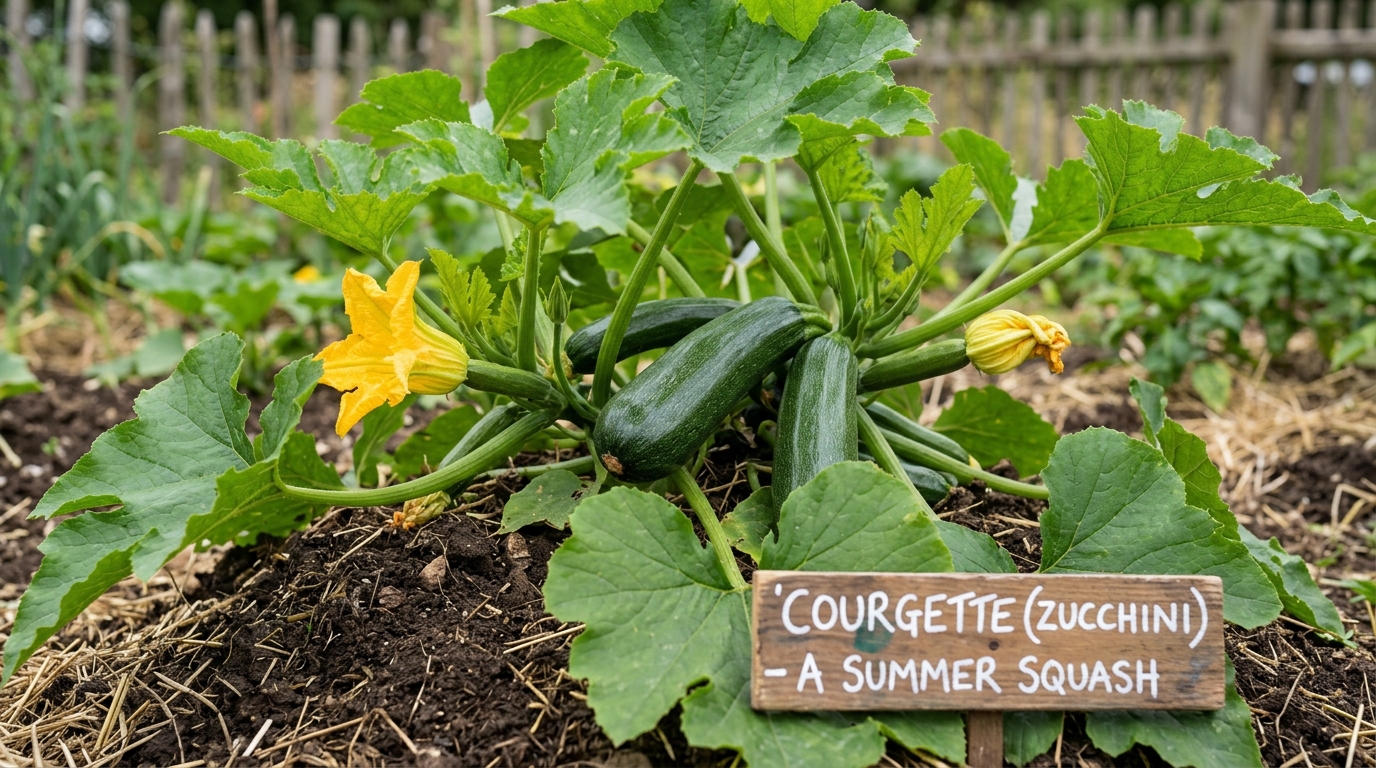
Many gardening enthusiasts who ask is what eventually become interested in growing it themselves. Courgette plants thrive in warm weather with plenty of sunlight, fertile soil, and regular watering. They are known for producing generous harvests throughout the growing season when cared for properly. The large leaves protect developing fruits while bright yellow flowers attract pollinating insects that support healthy growth. Home gardeners often appreciate courgette because it grows relatively quickly and rewards consistent care with an ongoing supply of fresh vegetables suitable for many delicious homemade recipes.
Common Misunderstandings About Courgette
The phrase is what often appears because different countries use different names for the same vegetable. Some people mistakenly believe that courgette and zucchini are separate plants, but they are simply regional names for the same variety. Another misconception is that courgette must always be cooked before eating. In reality, fresh slices can be enjoyed raw in salads or served with healthy dips. Understanding these differences helps reduce confusion when following recipes from various countries and encourages greater confidence when shopping for fresh produce or planning meals.
Conclusion
Courgette is a nutritious, versatile, and easy-to-use vegetable that deserves a place in a balanced diet. If you have ever wondered is what, the answer is simple: it is the same vegetable known as zucchini in many parts of the world. From its rich history and impressive nutritional profile to its flexible cooking methods and health benefits, courgette offers something for every home cook. Whether you enjoy it roasted, grilled, baked, or raw, adding courgette to your meals is an excellent way to increase flavor, variety, and nutritional value in everyday eating.