

The Origin and History of Farfalle
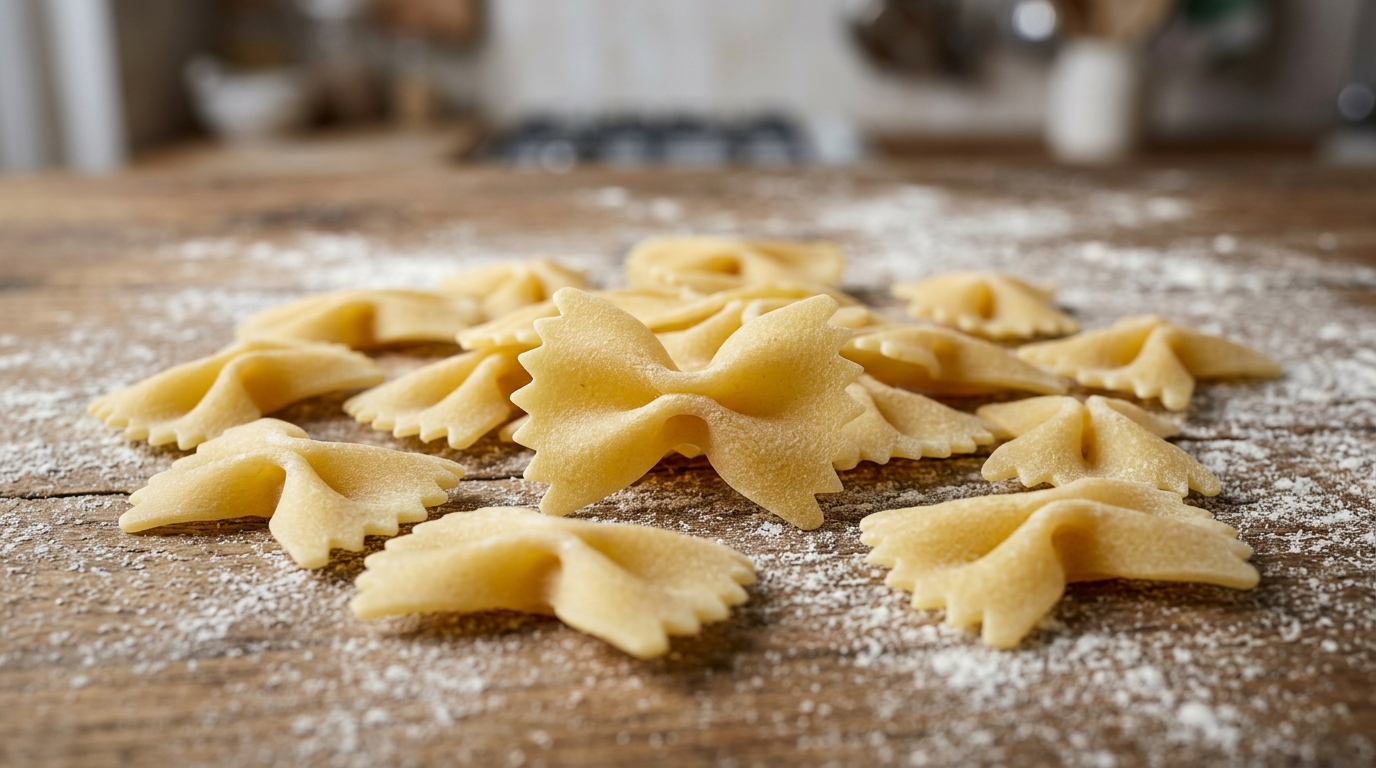
The history of farfalle dates back several centuries and is deeply connected to Italian culinary traditions. The name originates from the Italian word for butterflies, reflecting the pasta’s charming shape. It is believed to have first appeared in northern regions of Italy, where families often created handmade pasta using simple ingredients available in their kitchens. Skilled cooks would pinch small rectangles of dough in the center, forming the iconic bow-tie design that remains popular today. Over time, farfalle became a staple in Italian cooking and gradually gained international recognition. Its enduring popularity demonstrates the lasting influence of traditional pasta-making techniques.
What Makes Farfalle Unique
Farfalle stands apart from many other pasta varieties because of its distinctive structure and texture. The pinched center creates a thicker section, while the edges remain thinner and more delicate. This combination results in varied textures within a single bite, enhancing the overall eating experience. The shape also helps capture sauces, herbs, and seasonings more effectively than some smoother pasta varieties. In addition to its practical benefits, farfalle contributes visual interest to meals, making dishes appear more appealing. These characteristics have helped establish farfalle as a versatile and widely appreciated choice for a broad range of culinary applications.
The Ingredients Used to Make Farfalle
Traditional farfalle is typically made using simple ingredients, including wheat flour and water, although some recipes may incorporate eggs for additional richness. The dough is carefully prepared to achieve the proper consistency before being rolled and cut into small rectangles. Each piece is then pinched in the center to create the signature bow-tie shape. Modern manufacturers often produce farfalle in various forms, including whole wheat and specialty versions designed to meet different dietary preferences. Despite these variations, the fundamental preparation process remains rooted in traditional methods. This simplicity contributes to the pasta’s authentic flavor and broad appeal.
Popular Dishes Featuring Farfalle
Farfalle works exceptionally well in a wide range of recipes due to its adaptable shape and texture. It is commonly paired with creamy sauces, tomato-based preparations, and vegetable-rich dishes. The pasta is also a popular ingredient in cold pasta salads because it maintains its structure and attractive appearance after cooking. Many chefs appreciate its ability to complement ingredients such as chicken, seafood, mushrooms, and fresh herbs. The balanced texture of farfalle allows it to absorb flavors while preserving its distinctive character. This versatility has made it a preferred option for both casual family meals and more sophisticated dining experiences.
Nutritional Value of Farfalle
Like many traditional pasta varieties, farfalle can be part of a balanced diet when consumed in appropriate portions. It primarily provides carbohydrates, which serve as an important source of energy for the body. Depending on the ingredients used, farfalle may also contain protein, dietary fiber, and essential nutrients. Whole wheat versions often offer higher fiber content, supporting digestive health and promoting greater satiety. Pairing farfalle with vegetables, lean proteins, and nutritious sauces can create a well-rounded meal. Understanding its nutritional profile helps individuals make informed dietary choices while enjoying this classic and satisfying pasta variety.
Tips for Cooking Farfalle Perfectly
Achieving the ideal texture when preparing farfalle requires attention to cooking time and technique. The pasta should be cooked in a large pot of boiling water to allow adequate movement and even cooking. Stirring occasionally helps prevent pieces from sticking together during the process. Many cooks prefer an al dente texture, which provides a slight firmness that enhances the overall dining experience. Overcooking can reduce the pasta’s structural integrity and affect its texture. Proper draining and immediate combination with sauce can further improve flavor absorption. These simple techniques help ensure consistently excellent results when preparing farfalle dishes.
Why Farfalle Works Well in Pasta Salads
One of the reasons farfalle is frequently chosen for pasta salads is its ability to maintain both texture and visual appeal. The bow-tie shape creates an attractive presentation while providing ample surface area for dressings and seasonings. Unlike some pasta varieties that may become overly soft when chilled, farfalle generally retains its structure well after refrigeration. This makes it ideal for preparing meals in advance for gatherings, picnics, or meal planning. Its compatibility with fresh vegetables, cheeses, and proteins further enhances its suitability for cold dishes. These qualities contribute significantly to its popularity in pasta salad recipes worldwide.
Farfalle in Modern Global Cuisine
Although farfalle originated in Italy, it has become a global culinary favorite embraced by diverse food cultures. Chefs around the world incorporate it into innovative dishes that blend traditional techniques with contemporary flavors. Its adaptable nature allows it to pair effectively with ingredients from various cuisines, including Mediterranean, Asian-inspired, and fusion recipes. Home cooks also appreciate its accessibility and ease of preparation. As international food trends continue to evolve, farfalle remains relevant because of its flexibility and familiar appeal. Its widespread use demonstrates how traditional foods can successfully adapt to changing culinary preferences while preserving their original identity.
Choosing the Best Farfalle for Your Kitchen
Selecting quality farfalle can influence both the texture and flavor of finished dishes. Many consumers look for pasta made from high-quality wheat, as this often provides better cooking performance and consistency. The appearance of the pasta can also offer clues about its quality, including uniform shape and well-defined pinched centers. Different varieties may be available to accommodate specific dietary needs, including whole grain and specialty options. Considering the intended recipe can help determine the most suitable choice. By selecting quality farfalle, cooks can enhance the overall success of their meals and enjoy a more satisfying dining experience.
Conclusion
Farfalle has earned its place among the most beloved pasta shapes through its distinctive appearance, versatility, and ability to complement a wide variety of ingredients. From its origins in Italian culinary traditions to its role in modern international cuisine, this bow-tie pasta continues to delight food lovers around the world. Its unique texture, adaptability, and visual charm make it suitable for everything from comforting family meals to elegant presentations. By understanding how farfalle is made, cooked, and incorporated into recipes, anyone can appreciate its lasting value. This timeless pasta remains a delicious and dependable choice for countless culinary creations.