

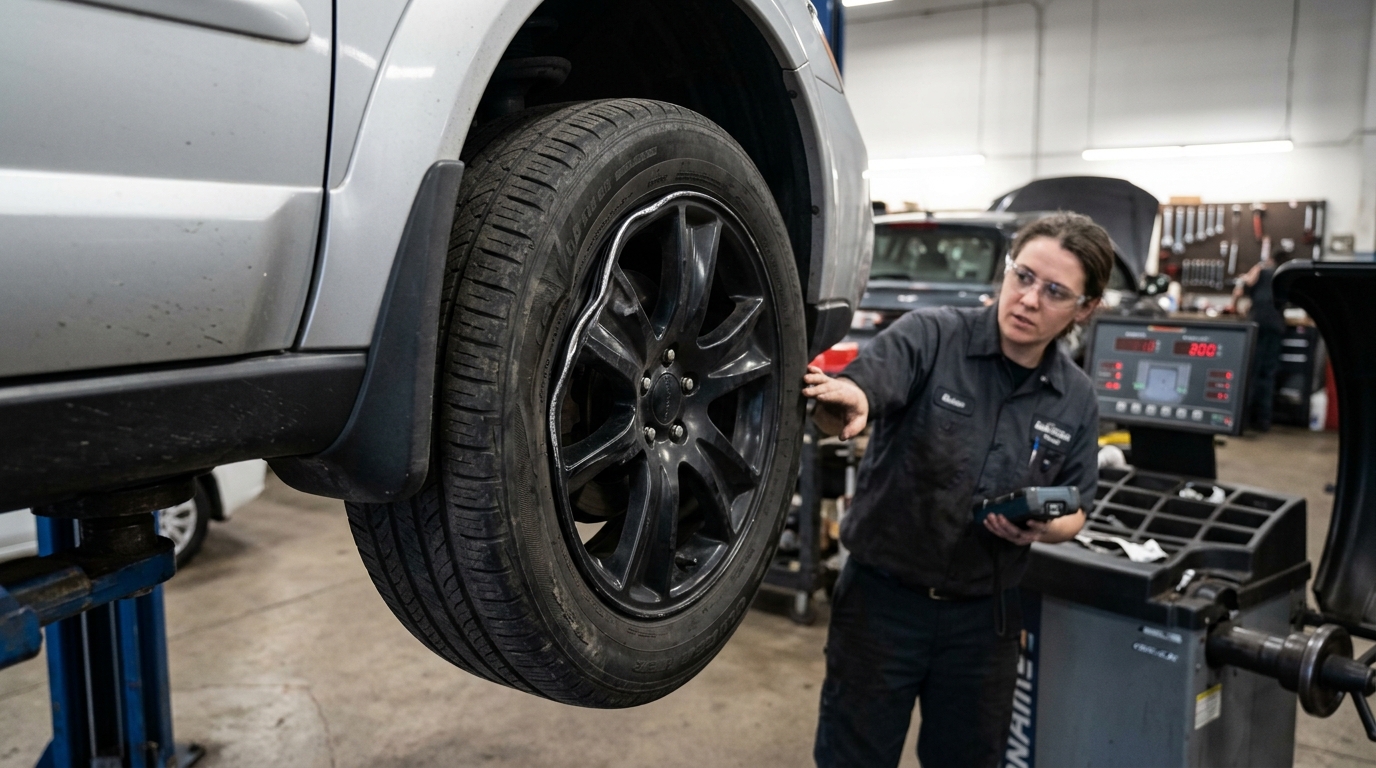
A bent rim is a common vehicle problem that can affect driving comfort, tire performance, and overall road safety. Whether caused by potholes, curbs, road debris, or unexpected impacts, a damaged wheel rim should never be ignored. Even a minor bend can create vibrations, uneven tire wear, and reduced vehicle stability, especially at higher speeds. Understanding the causes and consequences of a bent rim helps drivers recognize early warning signs and take appropriate action before the damage becomes more serious. With proper maintenance, timely repairs, and careful driving habits, vehicle owners can extend the lifespan of their wheels and improve overall driving performance.
What Is a Bent Rim?
A bent rim refers to a wheel that has lost its original shape due to physical impact or excessive force. Unlike cosmetic scratches or surface damage, a bent rim affects the structural integrity of the wheel and may interfere with proper tire alignment and air sealing. Modern alloy and steel wheels are designed to withstand everyday driving conditions, but strong impacts can still deform the rim. The severity of the bend determines whether the wheel can be repaired or requires replacement. Identifying the problem early helps prevent additional stress on tires, suspension components, and steering systems during regular vehicle operation.
Common Causes of a Bent Rim
Several road conditions and driving situations can result in a bent rim. Deep potholes remain one of the most common causes because they create sudden impacts that transfer significant force directly to the wheel. Accidentally striking curbs while parking or making sharp turns can also bend the rim, particularly at higher speeds. Road debris, uneven pavement, and overloaded vehicles further increase the likelihood of wheel damage. Low-profile tires provide less cushioning against impacts, making rims more vulnerable under challenging driving conditions. Careful driving and maintaining appropriate tire pressure can significantly reduce the risk of rim damage over time.
Signs That Indicate Rim Damage
Recognizing the symptoms of a bent rim allows drivers to address the issue before it affects vehicle safety. One of the most noticeable signs is steering wheel vibration, especially when driving at moderate or high speeds. Drivers may also experience uneven tire wear, reduced handling performance, or a pulling sensation while driving in a straight line. In some cases, slow tire pressure loss occurs because the tire no longer seals properly against the damaged rim. Unusual noises from the wheel area can also indicate structural problems. Prompt inspection helps confirm the cause and prevent further mechanical complications.
How a Bent Rim Affects Vehicle Performance
A bent rim can negatively influence several aspects of vehicle performance beyond simple driving comfort. Damaged wheels may cause improper tire contact with the road, reducing traction and affecting braking efficiency. Steering precision can become less responsive, making the vehicle more difficult to control during sudden maneuvers or adverse weather conditions. Continuous driving with a bent rim also places additional stress on suspension components, wheel bearings, and alignment settings. Over time, these secondary effects may increase maintenance costs if left unaddressed. Restoring proper wheel condition improves ride quality, handling, and overall driving safety for everyday transportation.
Repair or Replacement: Choosing the Right Solution
Whether a bent rim should be repaired or replaced depends on the extent of the damage. Minor bends can often be corrected by experienced technicians using specialized equipment designed to restore the wheel’s original shape without compromising structural integrity. However, severe damage involving cracks, extensive deformation, or weakened metal may require complete replacement for safety reasons. Professional inspection is essential because hidden structural issues may not be visible during a basic visual examination. Investing in the appropriate solution ensures reliable vehicle performance while reducing the risk of future tire failures or additional mechanical problems.
Preventing Future Rim Damage
Preventive maintenance and careful driving habits play an important role in reducing the likelihood of experiencing a bent rim. Drivers should maintain recommended tire pressure because properly inflated tires provide better protection against road impacts. Slowing down when approaching potholes, speed bumps, or rough road surfaces minimizes stress on the wheels. Avoiding unnecessary contact with curbs during parking also helps preserve rim condition. Regular wheel inspections can identify early signs of damage before they develop into more serious concerns. These simple precautions contribute to longer wheel life and improved vehicle reliability under varying road conditions.
The Importance of Professional Wheel Inspection
Professional wheel inspections provide valuable information that may not be apparent during routine visual checks. Technicians use specialized equipment to measure wheel balance, alignment, and structural accuracy while identifying hidden bends or cracks. Accurate diagnosis allows appropriate repairs before minor issues become costly mechanical failures. Regular inspections are particularly beneficial after significant road impacts or accidents, even if no immediate symptoms appear. Detecting a bent rim early helps protect tires, suspension systems, and steering components from unnecessary wear. Professional evaluation ultimately supports safer driving, better vehicle performance, and reduced long-term maintenance expenses for responsible vehicle owners.
Long-Term Benefits of Proper Wheel Maintenance
Maintaining wheels in good condition provides lasting benefits that extend beyond appearance. Properly functioning rims improve tire longevity, fuel efficiency, steering response, and overall ride comfort. Regular balancing, alignment checks, and prompt repairs reduce unnecessary strain on other vehicle systems while supporting safer driving experiences. Addressing a bent rim without delay also helps avoid more extensive repairs that may result from prolonged use of damaged wheels. Consistent maintenance demonstrates responsible vehicle ownership and contributes to reliable performance throughout the vehicle’s lifespan. Small preventive actions today often lead to significant savings and improved driving confidence in the future.
Conclusion
A bent rim is more than a cosmetic concern because it directly affects vehicle safety, handling, and overall performance. Understanding its causes, recognizing warning signs, and seeking timely professional inspection help prevent additional mechanical damage and costly repairs. Whether the solution involves repair or replacement, addressing wheel damage promptly ensures smoother driving, better tire performance, and greater road safety. Regular maintenance, proper tire care, and cautious driving habits remain the most effective ways to reduce the risk of future rim damage. By giving proper attention to wheel condition, drivers can enjoy a safer, more comfortable, and dependable driving experience for years to come.