

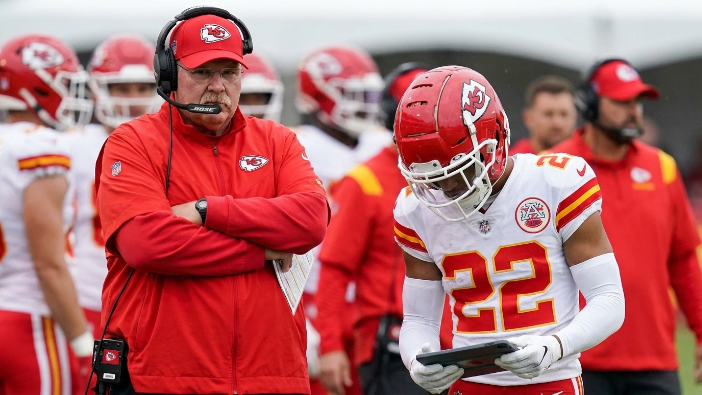
The Pressure Rookie Players Face in Professional Football
Rookie players entering professional football experience enormous pressure from coaches, teammates, fans, and media coverage. The chiefs coach unhappy rookie decision situation reflects how difficult the adjustment period can become for young athletes adapting to faster gameplay and higher expectations. Many rookies arrive with strong college reputations, but professional football requires greater discipline, preparation, and consistency. Coaches expect young players to learn complex systems quickly while contributing positively to team chemistry and performance. Mistakes made by rookies are often heavily analyzed because teams competing at elite levels cannot afford repeated errors. This environment creates intense mental and physical challenges that shape a player’s early professional career development.
Why Coaching Decisions Draw Public Attention
Coaching decisions in professional sports often become headline topics because they directly influence team performance and long-term success. The chiefs coach unhappy rookie decision discussion has gained traction because fans closely follow every detail involving player management and team strategy. Supporters naturally want to understand why certain decisions create frustration within coaching staffs. Media attention increases when successful organizations experience internal disagreements or developmental concerns involving young players. Coaches are responsible for balancing accountability with encouragement, especially when working with rookies still adjusting to professional competition. Public reactions often grow stronger when expectations surrounding the team remain extremely high, particularly for franchises regularly competing for championships and playoff success.
Leadership Expectations Inside Successful Teams
Strong leadership remains essential within championship-level football organizations, and the chiefs coach unhappy rookie decision situation highlights how leadership standards influence player development. Coaches are expected to establish discipline, accountability, and professionalism throughout the team environment. Veteran players also play important roles in helping rookies understand organizational culture and competitive expectations. Successful teams usually demand focus, preparation, and consistency from every player regardless of experience level. When a rookie decision creates frustration for coaches, it may reflect concerns about effort, communication, or understanding team responsibilities. Leadership challenges often become learning opportunities that help young athletes improve mentally and professionally while adapting to the demands of elite football competition.
The Media Impact on Rookie Development
Modern sports media significantly affects how fans perceive situations like the chiefs coach unhappy rookie decision storyline. News coverage, television analysis, podcasts, and social media discussions can quickly turn internal team matters into major public debates. Rookie players often face additional pressure because every performance mistake or controversial moment receives widespread attention online. Coaches must carefully manage communication to avoid creating unnecessary distractions for the team. Media narratives can sometimes increase tension around developing players, making confidence and focus more difficult to maintain. Despite these challenges, professional athletes are expected to handle public criticism maturely while continuing to improve their performance and strengthen trust within the organization.
Team Chemistry and Locker Room Dynamics
Team chemistry plays a major role in football success, making situations like chiefs coach unhappy rookie decision especially important within locker room environments. Every player contributes to overall morale, communication, and competitive focus throughout a long season. Coaches work continuously to maintain trust and accountability among teammates while ensuring that personal frustrations do not negatively affect team unity. Rookies entering professional organizations must earn respect by demonstrating commitment, discipline, and willingness to learn from experienced players and coaches. Challenges involving young athletes can sometimes strengthen locker room culture if handled properly. Open communication and strong leadership often help teams overcome internal tension while maintaining shared goals and competitive motivation.
The Importance of Accountability in Professional Sports
Accountability remains one of the most important values in professional football, and the chiefs coach unhappy rookie decision situation reflects this reality clearly. Coaches expect players to take responsibility for mistakes while learning from difficult experiences. Young athletes who respond positively to criticism often develop stronger mental resilience and improved professional habits over time. Accountability also helps create fairness within competitive organizations because every player is expected to meet similar standards regardless of status or talent level. Professional sports demand constant improvement and emotional maturity under pressure. Coaches sometimes express frustration not to discourage players, but to reinforce expectations that contribute to long-term growth and consistent team performance throughout challenging seasons.
How Fans React to Coaching Frustration
Fans are deeply invested in their favorite teams, which explains why the chiefs coach unhappy rookie decision topic has generated strong reactions among football audiences. Supporters often analyze coaching comments, player behavior, and game performance while forming opinions about team decisions. Some fans may defend the rookie and emphasize patience during the development process, while others support the coach’s strict expectations and accountability standards. Social media discussions frequently amplify these differing perspectives, creating ongoing debates about leadership and player management. Passionate fan engagement reflects the emotional connection supporters feel toward their teams. Football culture thrives on discussion, analysis, and shared opinions surrounding important moments within professional sports organizations.
Long-Term Growth Opportunities for Rookie Players
Although situations like chiefs coach unhappy rookie decision may appear negative initially, they can also become valuable learning experiences for young athletes. Many successful professional players faced criticism early in their careers before developing into respected leaders and consistent performers. Challenges often encourage rookies to improve focus, preparation, communication, and emotional resilience under pressure. Coaches typically want players to learn from mistakes rather than repeat them throughout the season. Constructive criticism, when handled properly, can motivate growth and maturity both on and off the field. Professional football careers are shaped not only by talent, but also by a player’s ability to respond positively to adversity and competitive expectations.
Conclusion
The chiefs coach unhappy rookie decision discussion highlights the complex relationship between coaching leadership, rookie development, and professional football expectations. Young athletes entering elite sports environments face significant pressure to perform while learning demanding systems and adapting to intense competition. Coaches must balance accountability with support to help players develop both mentally and physically. Media coverage and fan reactions often increase the visibility of these situations, creating broader conversations about leadership and team culture. Despite short-term challenges, difficult moments can become valuable opportunities for personal and professional growth. In competitive football organizations, learning from adversity often plays a key role in building stronger players and more successful teams.