

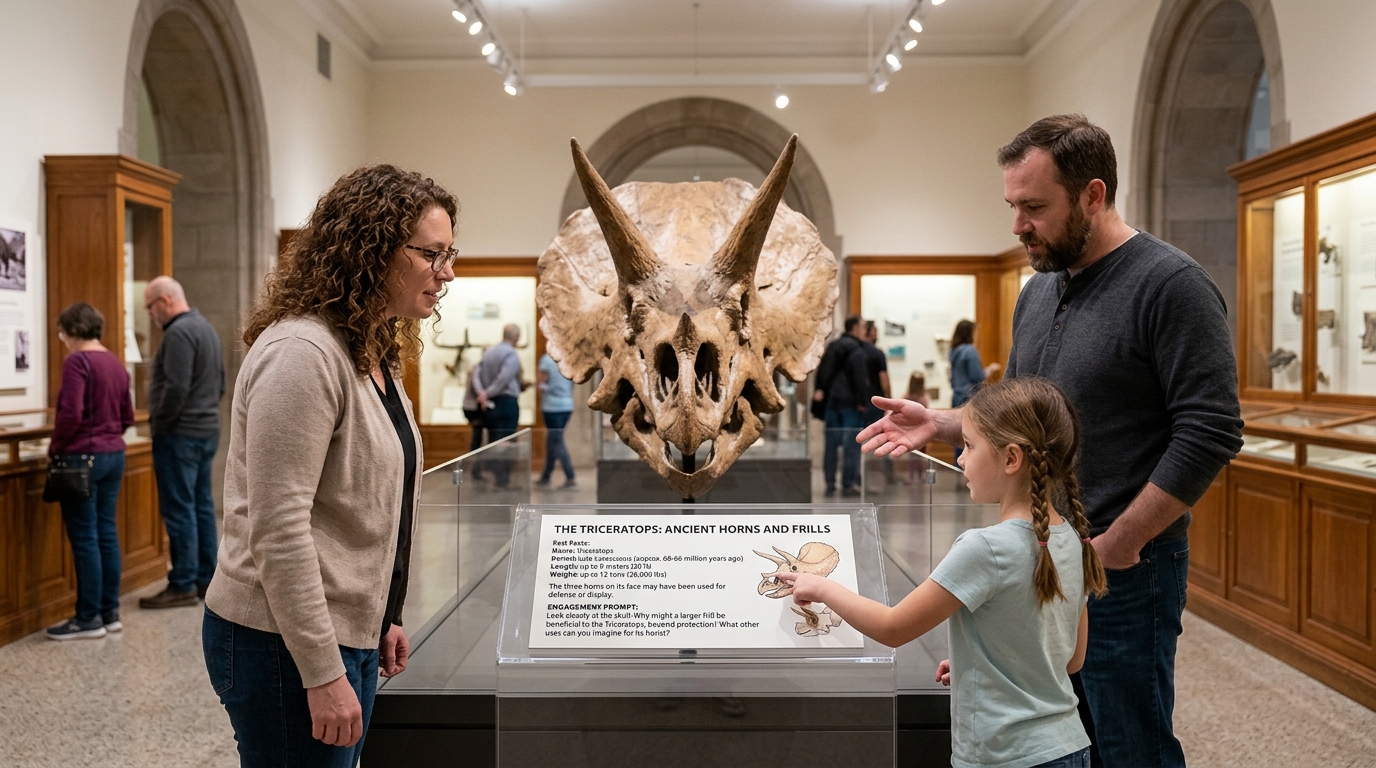
Museum explanation cards play an essential role in transforming collections into meaningful educational experiences. While artifacts and artworks can capture attention through their appearance alone, visitors often rely on written information to understand historical context, cultural significance, and artistic value. Well-designed museum explanation cards bridge the gap between observation and knowledge by presenting accurate details in a concise and accessible format. They help audiences connect with exhibits regardless of their background or expertise. As museums continue evolving into interactive learning environments, these informative display tools remain fundamental to improving visitor understanding and appreciation.
Understanding the Purpose of Museum Explanation Cards
The primary purpose of museum explanation cards is to provide visitors with relevant information that enhances their understanding of displayed objects. These cards often include details such as the creator, historical period, origin, materials, and significance of an exhibit. Rather than overwhelming audiences with excessive text, they present carefully selected facts that support interpretation and encourage deeper interest. Effective museum explanation cards guide visitors through exhibitions while allowing them to explore at their own pace. This balance between education and accessibility makes them an indispensable component of successful museum communication strategies.
How Clear Information Improves Visitor Experience
Visitors arrive at museums with varying levels of prior knowledge, making clear communication essential for an inclusive experience. Museum explanation cards simplify complex topics by presenting understandable descriptions that help audiences interpret unfamiliar artifacts or concepts. Well-written content encourages curiosity while reducing confusion and increasing engagement. When visitors understand the stories behind exhibits, they are more likely to remember the experience and appreciate its educational value. Accessible interpretation also supports independent exploration, allowing individuals and families to interact with collections confidently without requiring continuous guidance from museum staff or educators.
The Importance of Concise and Engaging Writing
Creating effective museum explanation cards requires careful attention to language, structure, and readability. Overly technical descriptions may discourage readers, while oversimplified content risks losing important historical or cultural meaning. Successful cards present accurate information using straightforward language that appeals to a broad audience. Each sentence should contribute useful context without distracting from the object itself. Strong writing encourages visitors to continue reading while maintaining focus on the exhibit. By combining clarity with engaging storytelling, museums create memorable experiences that strengthen educational outcomes and encourage repeat visits.
Supporting Education Beyond Traditional Classrooms
Museums serve as valuable educational institutions, and museum explanation cards contribute significantly to informal learning opportunities. Students, researchers, tourists, and local visitors benefit from contextual information that transforms displays into educational resources. Clear explanations help audiences connect historical events, scientific discoveries, and artistic achievements with broader cultural developments. This educational role extends beyond schools by encouraging lifelong learning through independent exploration. Effective interpretation promotes critical thinking, inspires further research, and enables visitors to develop a deeper appreciation for history, science, archaeology, and creative expression within museum environments.
Designing Museum Explanation Cards for Accessibility
Accessibility is an increasingly important consideration when developing museum explanation cards for diverse audiences. Readable font sizes, high contrast, logical layout, and straightforward language improve comprehension for visitors of different ages and abilities. Museums may also incorporate multilingual content or digital accessibility options to accommodate international guests and individuals with specific communication needs. Thoughtful design ensures information remains available to as many people as possible without compromising visual appeal. Inclusive presentation strengthens visitor satisfaction while supporting equal access to educational and cultural experiences across a wide range of communities.
Digital Innovation and Interactive Interpretation
Modern technology has expanded the possibilities for museum explanation cards by integrating digital elements alongside traditional printed displays. QR codes, mobile applications, and interactive screens can provide additional historical context, multimedia content, or audio narration without overcrowding physical signage. These innovations allow museums to deliver deeper educational experiences while preserving clean exhibit design. Digital interpretation also enables frequent content updates and personalized visitor engagement. Combining traditional cards with technological enhancements creates flexible learning opportunities that appeal to both casual visitors and individuals seeking more detailed information about specific collections.
Balancing Visual Design and Informational Value
An effective museum explanation card must complement the exhibit rather than compete with it for attention. Balanced visual design ensures the displayed object remains the central focus while supporting interpretation through carefully organized information. Appropriate typography, spacing, and consistent formatting improve readability and maintain professional presentation throughout exhibitions. Designers also consider placement to encourage natural viewing without obstructing display cases or visitor movement. By achieving harmony between aesthetics and educational value, museums create environments where written interpretation enhances rather than distracts from the overall exhibition experience.
Challenges in Creating Effective Explanation Cards
Developing museum explanation cards involves balancing historical accuracy, readability, and space limitations within often restricted display areas. Curators and writers must determine which details provide the greatest educational value while avoiding unnecessary complexity. Cultural sensitivity and factual precision are equally important, particularly when interpreting historical events or artifacts representing diverse communities. Content also requires periodic revision as research advances and new discoveries emerge. Addressing these challenges demands collaboration between subject experts, educators, designers, and communication specialists to ensure explanations remain informative, respectful, and accessible to broad audiences.
The Future of Museum Explanation Cards
As museums continue embracing innovation, museum explanation cards will likely evolve while maintaining their essential educational function. Future developments may include greater personalization through digital technologies, expanded multilingual support, and integration with augmented reality experiences that deepen visitor engagement. Sustainability considerations may also influence material selection and production methods for physical displays. Despite technological progress, concise written interpretation will remain valuable because visitors consistently seek reliable contextual information while exploring collections. Well-crafted explanation cards will continue supporting meaningful learning experiences and strengthening the connection between audiences and cultural heritage.
Conclusion
Museum explanation cards are far more than simple labels because they provide the knowledge and context necessary for meaningful engagement with museum collections. Through clear writing, thoughtful design, and accessible presentation, they transform objects into stories that educate and inspire visitors from all backgrounds. Whether presented in traditional printed formats or enhanced through digital innovation, these interpretive tools strengthen learning and encourage deeper appreciation of history, science, art, and culture. Their continued evolution will help museums remain dynamic educational spaces while preserving their commitment to informing and enriching public understanding.