

Why Weight and Volume Are Different Measurements
To understand how many cups in a pound, it is important to recognize the difference between weight and volume. A pound measures weight, while a cup measures volume. Weight refers to how heavy an ingredient is, whereas volume describes the amount of space it occupies. Since ingredients vary in density, equal weights can take up different amounts of space. For example, a pound of feathers occupies far more space than a pound of metal. The same principle applies to food ingredients. This distinction explains why there is no single universal answer to the conversion question and why ingredient-specific measurements are essential.
Understanding Ingredient Density
Density plays a major role in determining how many cups in a pound for a particular ingredient. Dense ingredients weigh more within a smaller space, while lighter ingredients require more volume to reach the same weight. Flour, sugar, rice, oats, and cocoa powder all have unique densities that affect conversion results. This is why experienced cooks often rely on ingredient-specific measurement charts. Understanding density helps eliminate confusion when following recipes and converting quantities. It also highlights the importance of accurate measuring techniques. When density is considered, conversions become more reliable and lead to better results in both cooking and baking.
Common Cup-to-Pound Conversions for Flour
Flour is one of the most frequently used baking ingredients, making it a common focus when discussing how many cups in a pound. Generally, one pound of all-purpose flour equals approximately three and one-half to four cups, depending on how it is measured. Scooping flour directly from a container often packs it tightly, increasing its weight per cup. A lighter spoon-and-level method creates a different result. These variations demonstrate why consistency matters in baking. Understanding flour conversions helps bakers follow recipes more accurately and achieve desired textures. Accurate flour measurement is often the key to successful breads, cakes, and pastries.
Sugar Measurements and Cup Conversions
Sugar is another ingredient that frequently requires conversion between cups and pounds. Granulated sugar is denser than flour, meaning it occupies less space for the same weight. In many cases, one pound of granulated sugar equals about two cups. Brown sugar, however, can vary depending on whether it is packed or loosely measured. Powdered sugar has its own conversion standards because of its finer texture. Knowing these differences helps prevent recipe mistakes and ensures consistent sweetness and texture. Understanding sugar conversions allows home cooks to adjust recipes confidently and achieve predictable outcomes when preparing desserts and baked goods.
The Special Case of Butter Measurements
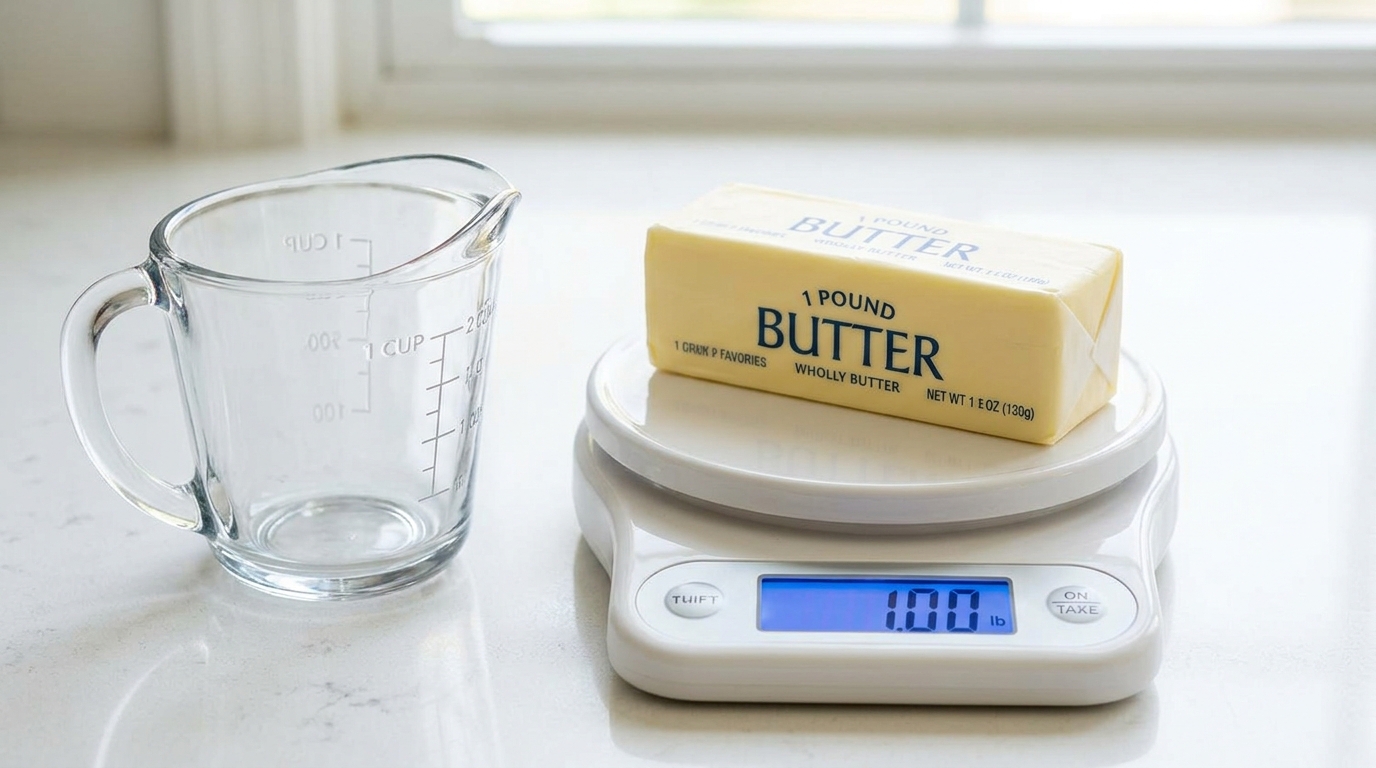
Butter provides one of the easiest examples when considering how many cups in a pound. In many regions, butter packaging includes clear measurement markings that simplify conversions. One pound of butter generally equals four sticks and approximately two cups. This consistency makes butter one of the most straightforward ingredients to measure. Because butter is widely used in baking, accurate measurement is essential for achieving proper texture and flavor. Knowing this standard conversion helps save time in the kitchen and reduces uncertainty when adapting recipes. It also demonstrates how some ingredients offer more predictable measurement relationships than others.
Why Accurate Measurements Matter in Baking
Baking relies heavily on precision, making measurement accuracy particularly important. Understanding how many cups in a pound can significantly impact recipe success. Small measurement differences may alter texture, rise, moisture, and overall appearance. Unlike cooking, where adjustments can often be made during preparation, baking depends on carefully balanced ingredient ratios. Excess flour may produce dry baked goods, while insufficient flour can affect structure. Similar challenges apply to sugar, butter, and other ingredients. Accurate measurement techniques help ensure consistency and improve results. Learning proper conversion methods allows bakers to replicate successful recipes and develop greater confidence in the kitchen.
Kitchen Tools That Improve Measurement Accuracy
Reliable kitchen tools can simplify the process of converting between cups and pounds. Digital kitchen scales are among the most useful tools because they measure ingredients by weight with high accuracy. Measuring cups remain valuable for volume measurements, but scales reduce the uncertainty caused by ingredient density variations. Many professional chefs and experienced bakers prefer weighing ingredients because it produces consistent results. Understanding how many cups in a pound becomes easier when using the appropriate equipment. Investing in quality measuring tools can improve efficiency, reduce errors, and make recipes more reliable. Accurate tools support better cooking and baking experiences overall.
Practical Tips for Everyday Cooking
Everyday cooking often involves estimating ingredient amounts, but understanding basic conversions remains valuable. When considering how many cups in a pound, it helps to identify the specific ingredient before making adjustments. Using trusted measurement references and following consistent measuring techniques can improve accuracy. Storing ingredients properly also helps maintain consistent density and quality over time. For recipes requiring precision, weighing ingredients is usually the best option. Practical measurement knowledge saves time and reduces frustration in the kitchen. Whether preparing simple meals or complex desserts, understanding conversion principles helps cooks work more efficiently and achieve better results.
Building Confidence Through Measurement Knowledge
Learning how measurements work builds confidence and improves kitchen skills. Understanding how many cups in a pound allows cooks to adapt recipes, scale portions, and work with greater flexibility. Rather than relying on guesswork, informed conversions provide a stronger foundation for successful cooking and baking. As individuals become more familiar with ingredient densities and measurement techniques, they gain a deeper appreciation for recipe accuracy. This knowledge encourages experimentation while maintaining consistency. Confidence in measurements can transform cooking from a source of uncertainty into an enjoyable and rewarding experience. Strong measurement skills benefit both beginners and experienced home chefs alike.
Conclusion
The question of how many cups in a pound does not have a single answer because different ingredients vary in density and volume. Understanding the relationship between weight and volume is essential for accurate cooking and baking. From flour and sugar to butter and other common ingredients, each conversion depends on the specific food being measured. Using proper techniques and reliable kitchen tools can improve accuracy and consistency. By learning the principles behind measurement conversions, home cooks can follow recipes more effectively, avoid common mistakes, and achieve better results. Strong measurement knowledge remains a valuable skill for anyone who enjoys spending time in the kitchen.